Implementation
Our curriculum is based on the National Curriculum and is carefully sequenced to enable children to build on their prior knowledge, acquire new knowledge and understand how and when they will build on and use this knowledge in future.
Early Years
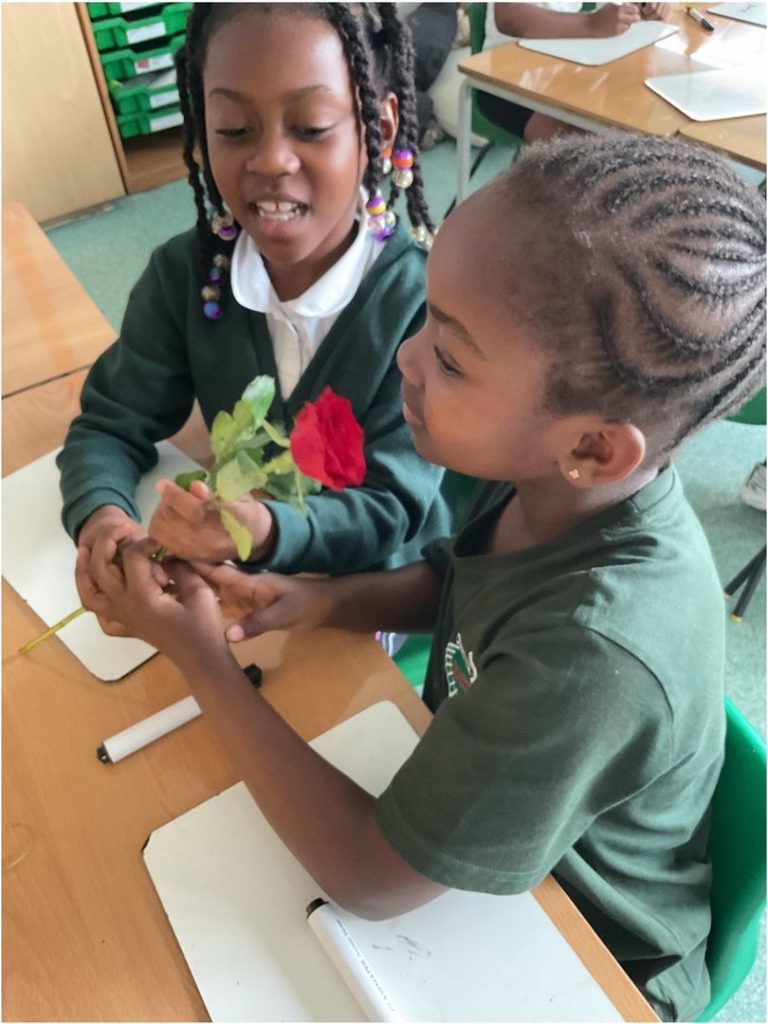
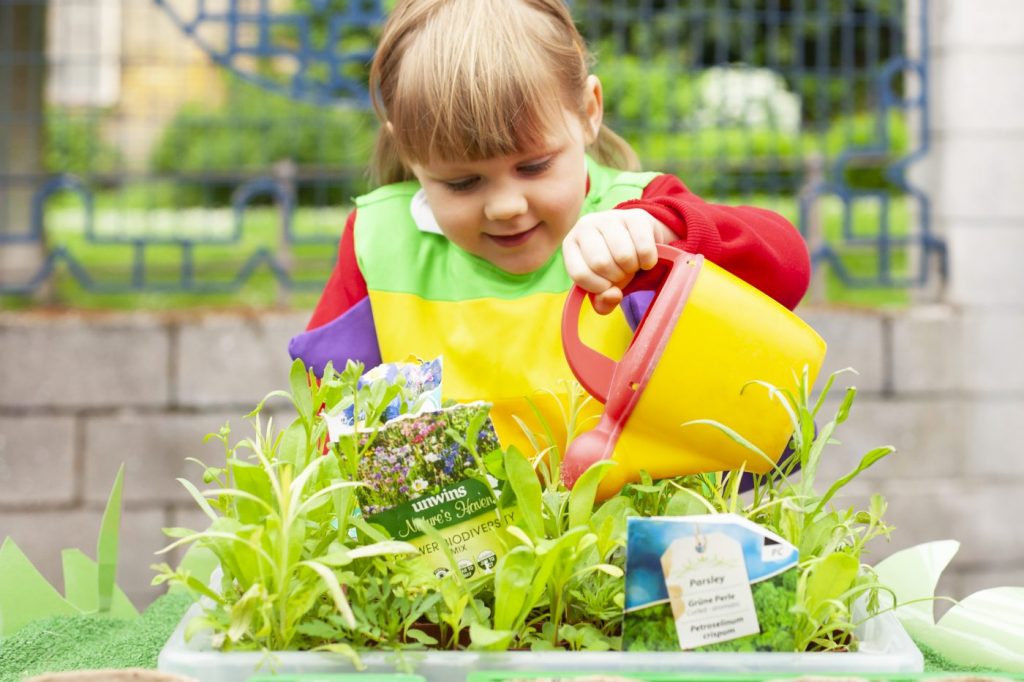
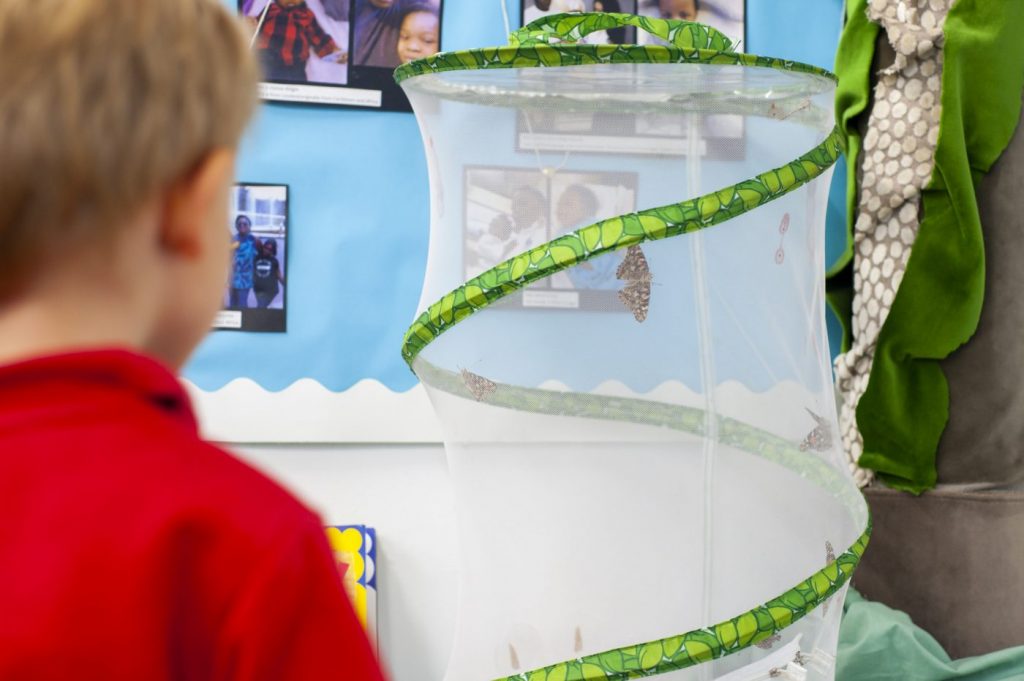
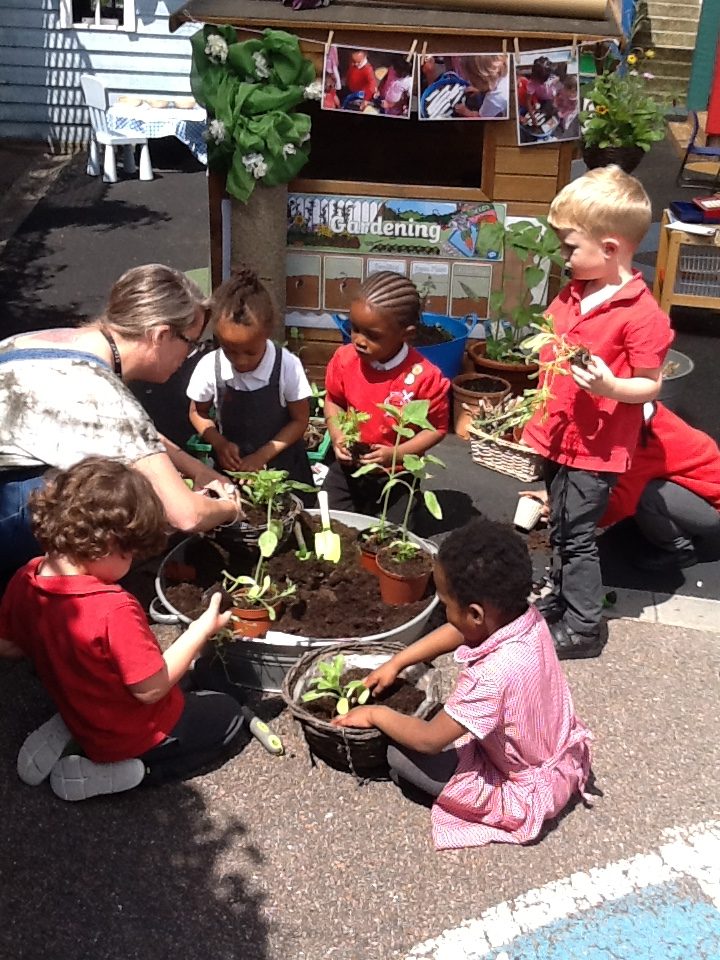
Science in the foundation stage is covered in ‘Understanding the World’ strand of the Early Years Foundation Curriculum. We provide a stimulating environment where hands-on, enquiry-based activities nurture children’s curiosity and understanding of the world around them. All children have the opportunity to explore, problem solve, observe, predict, think, make decisions and talk about the world around them. In Nursery, the children are encouraged to explore the world around them by making initial observations, asking simple questions and predictive statements. In Reception, the children further develop their scientific skills by communicating their observations, making predictions and asking questions in more detail. Science in the Early Years inspires our children to continue to ask questions about the world around them and sets the children up to become avid scientists at the beginning of their schooling and for their future lives.
Key Stage One and Two
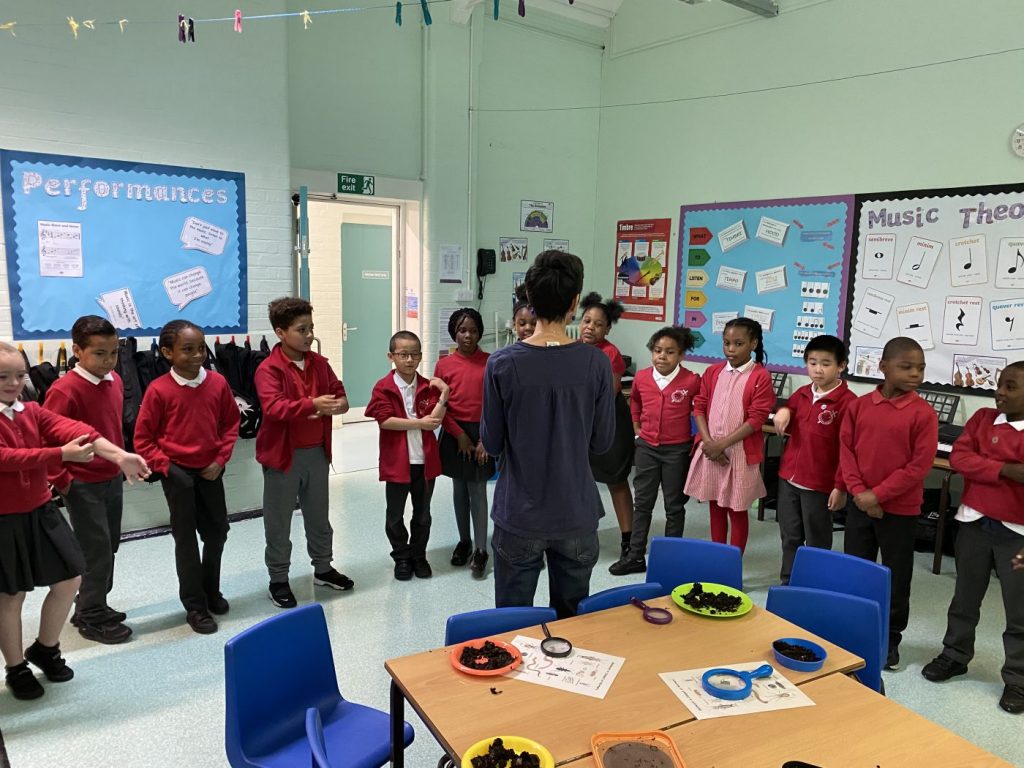
Science is taught every week throughout the academic year. In Key Stage Two, two science lessons are taught each week and one lesson is taught each week in Key Stage One.
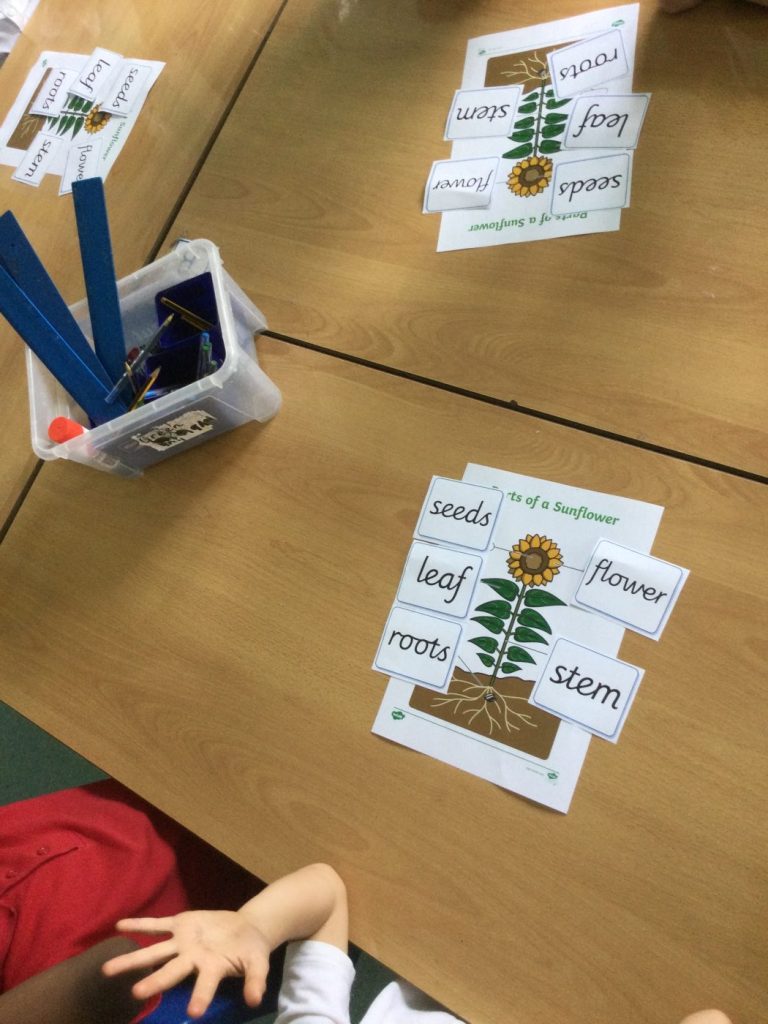
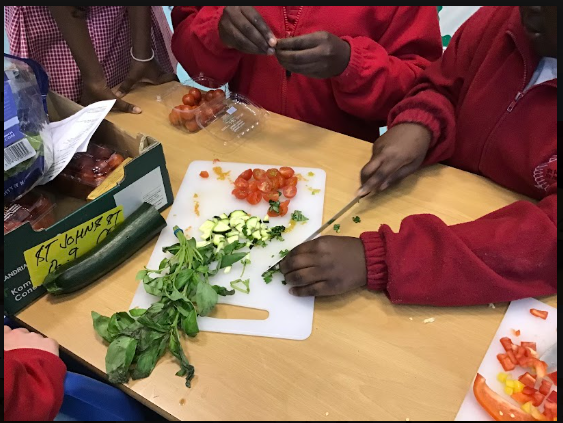
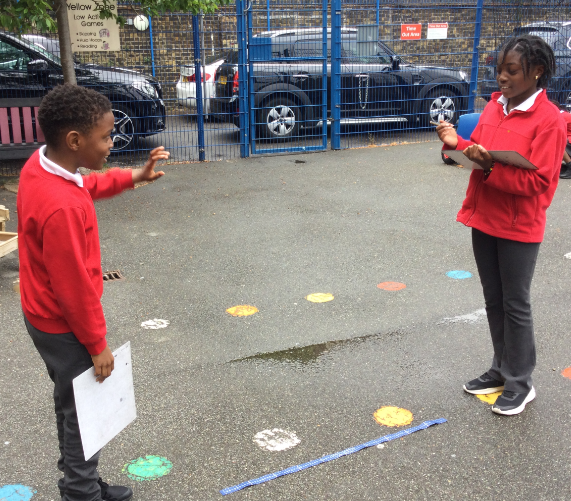
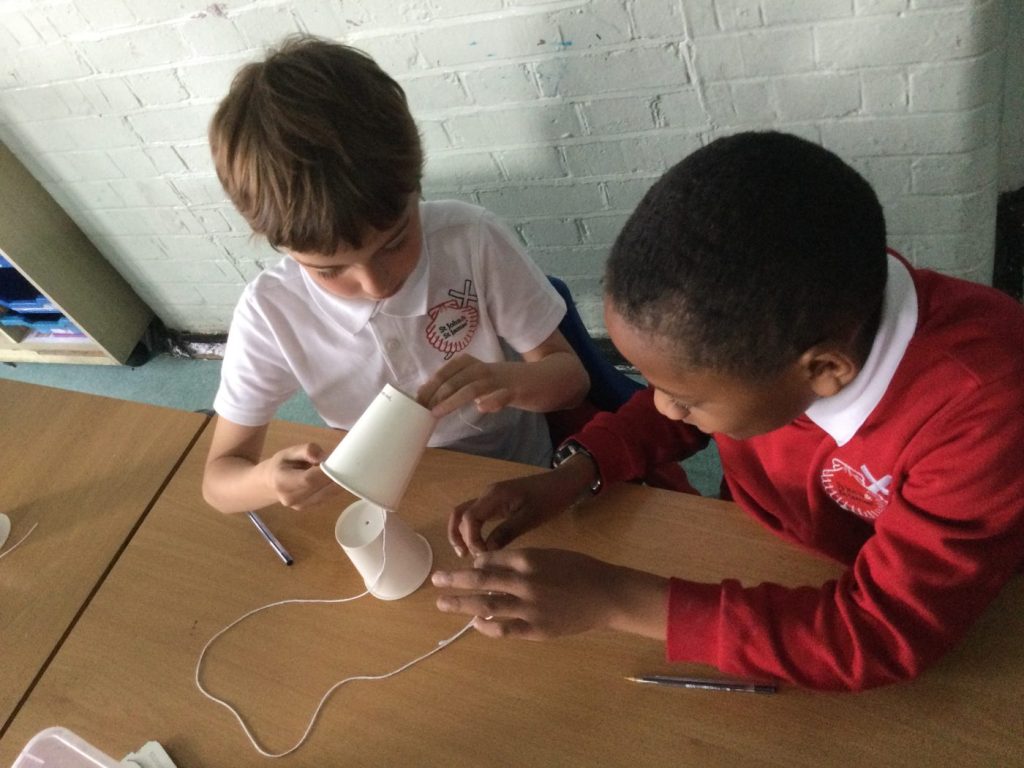
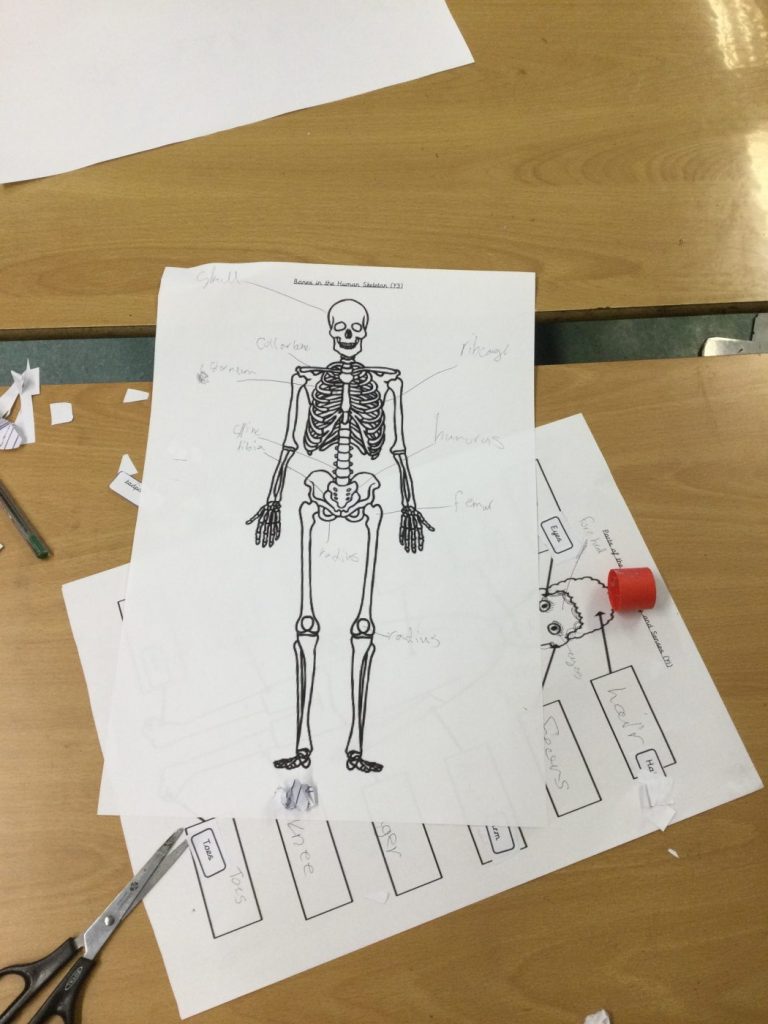
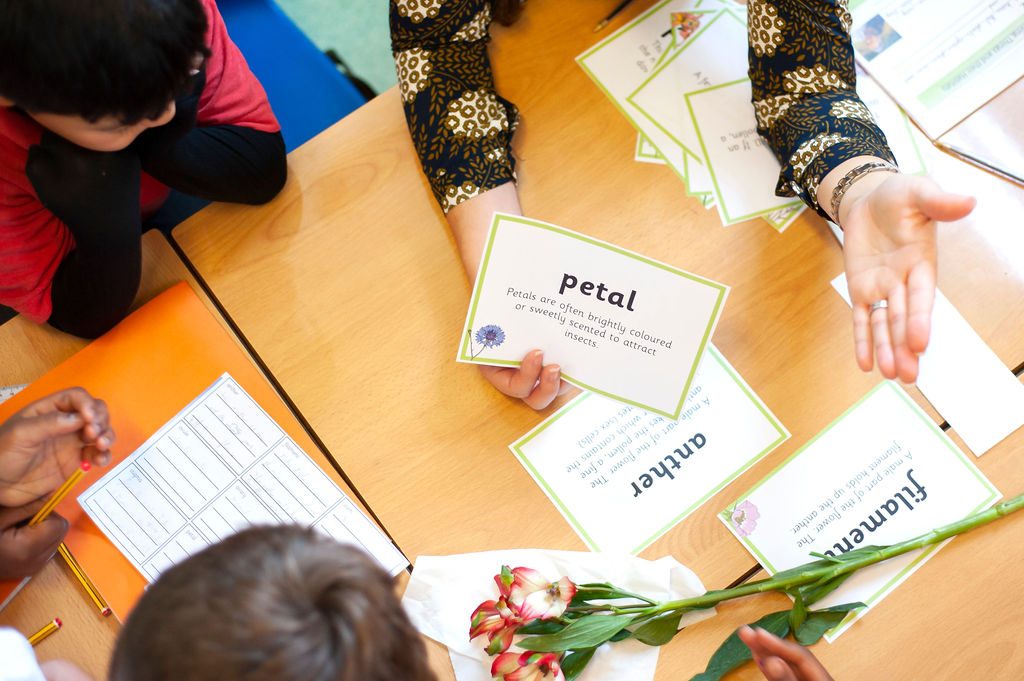
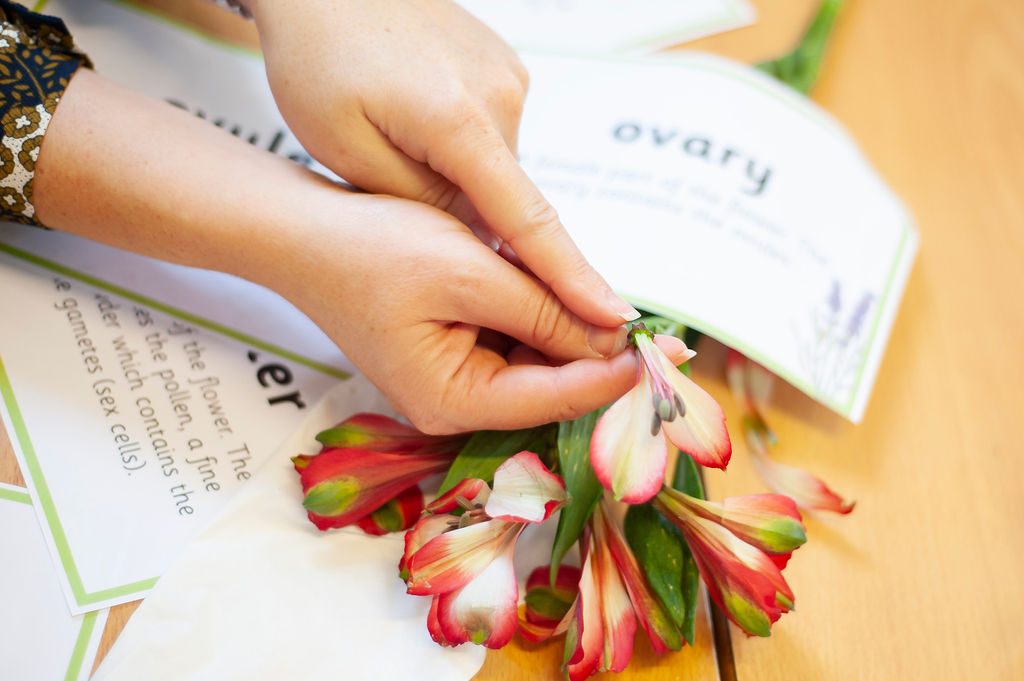
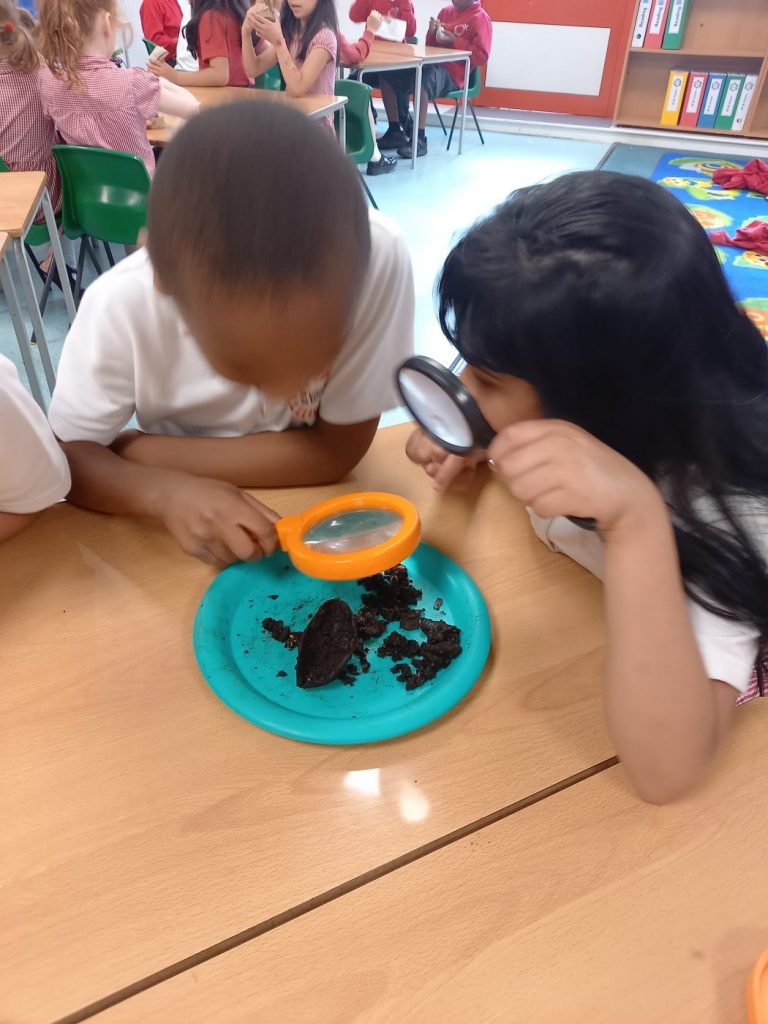
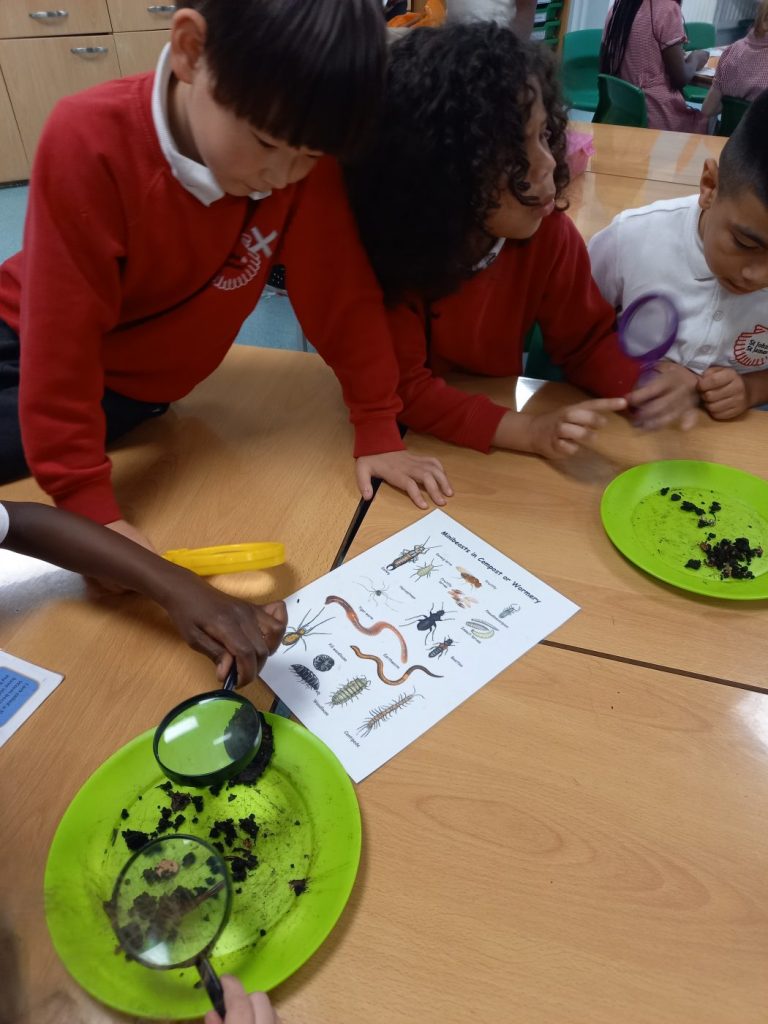
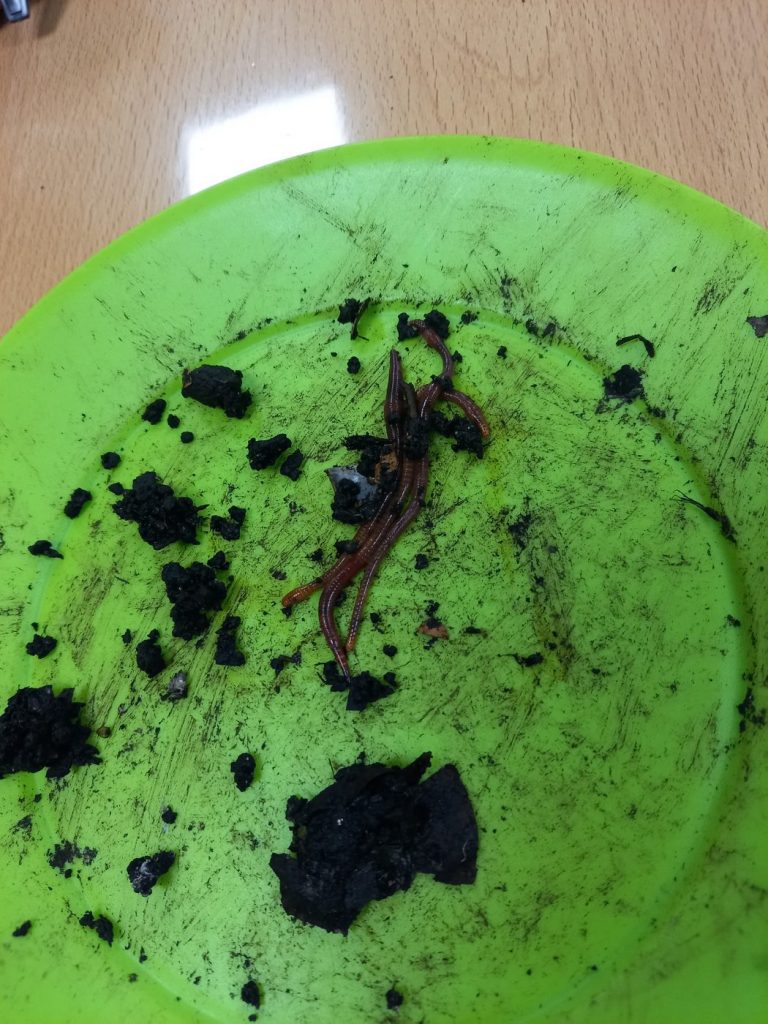
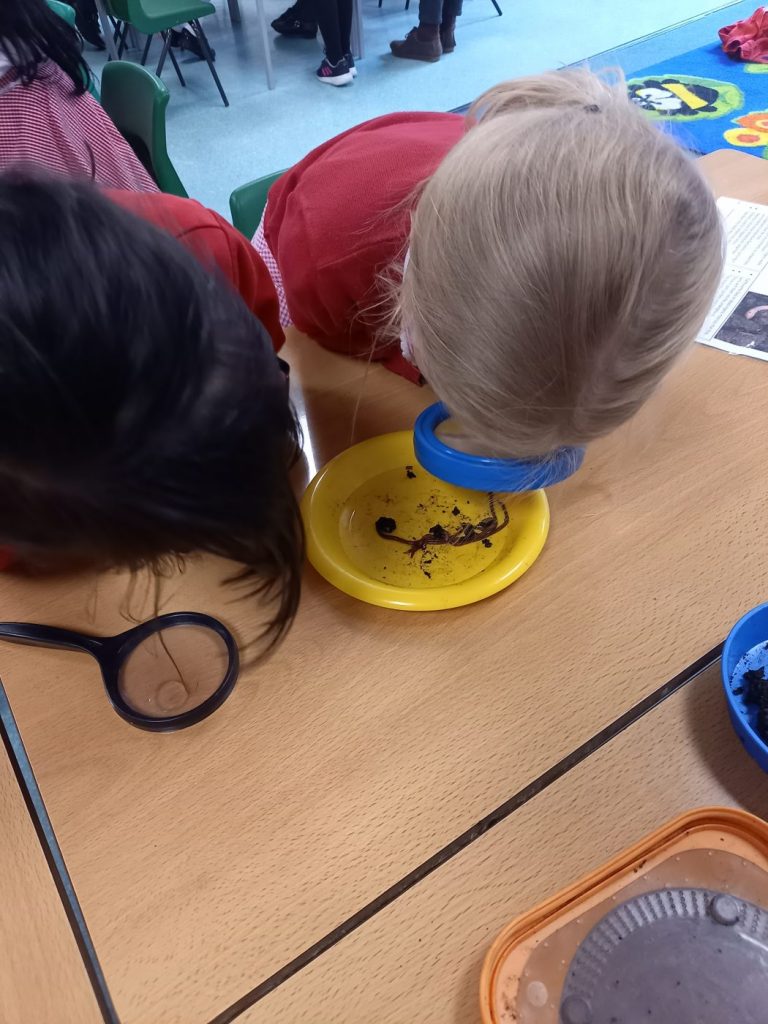
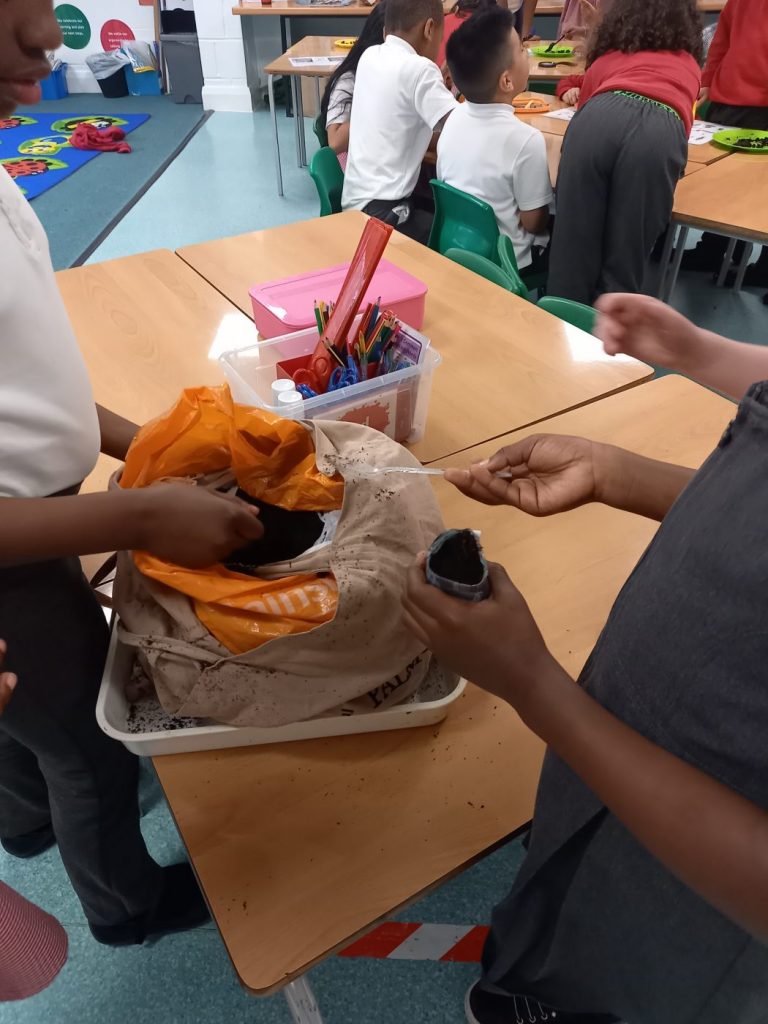
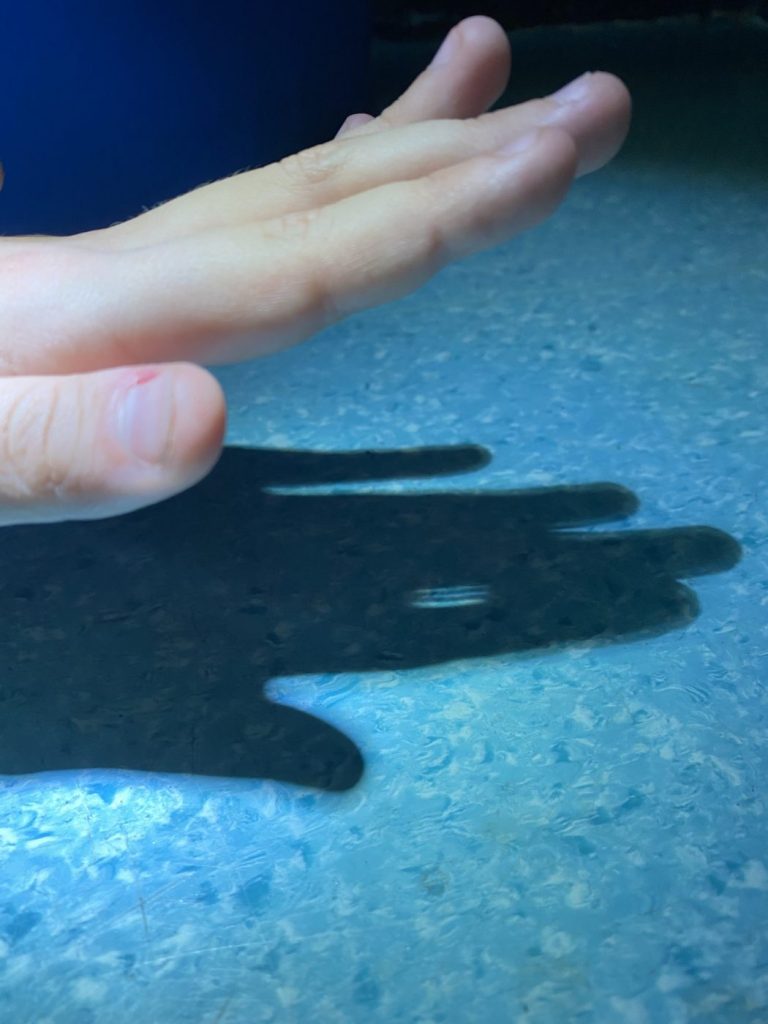
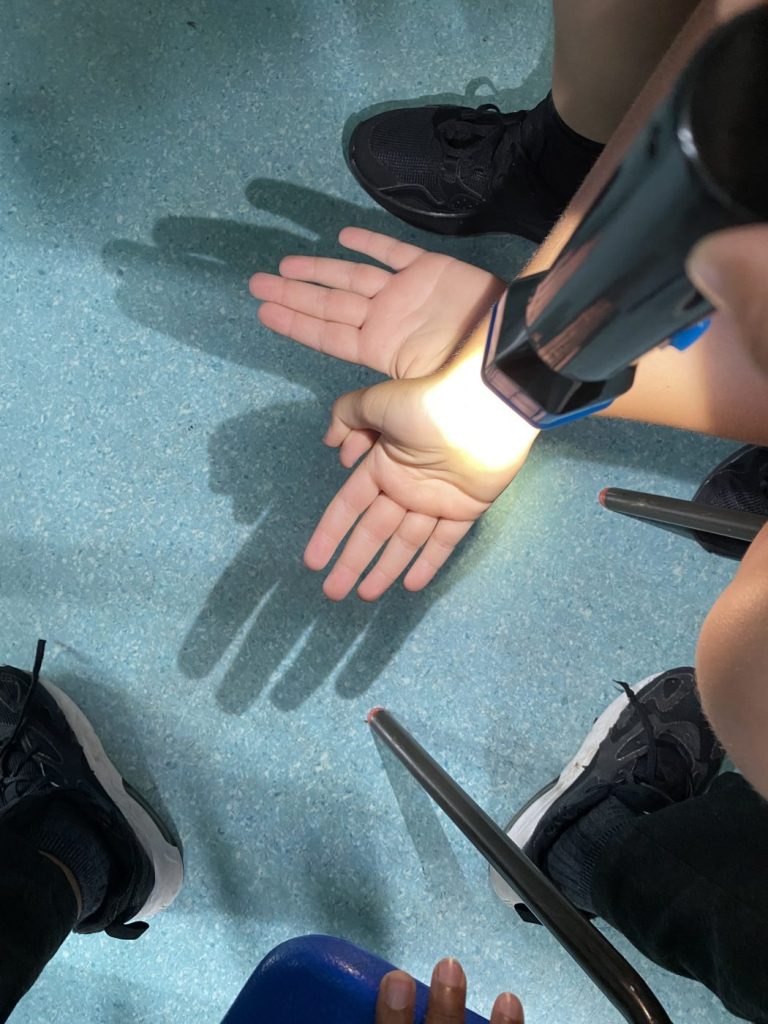
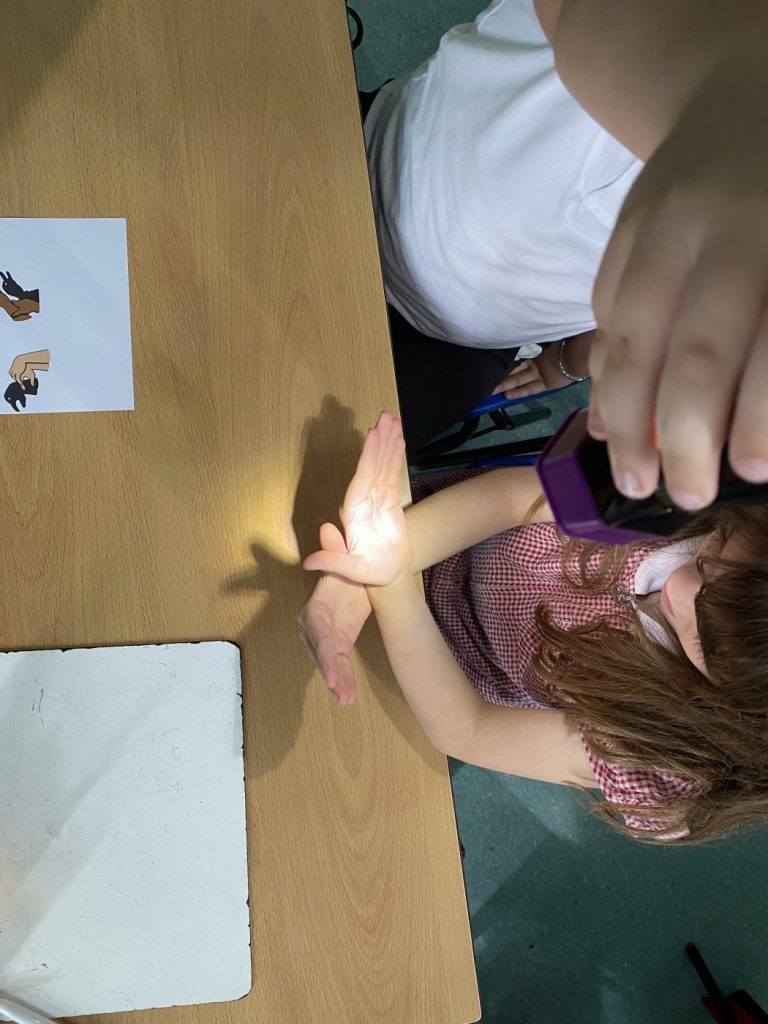
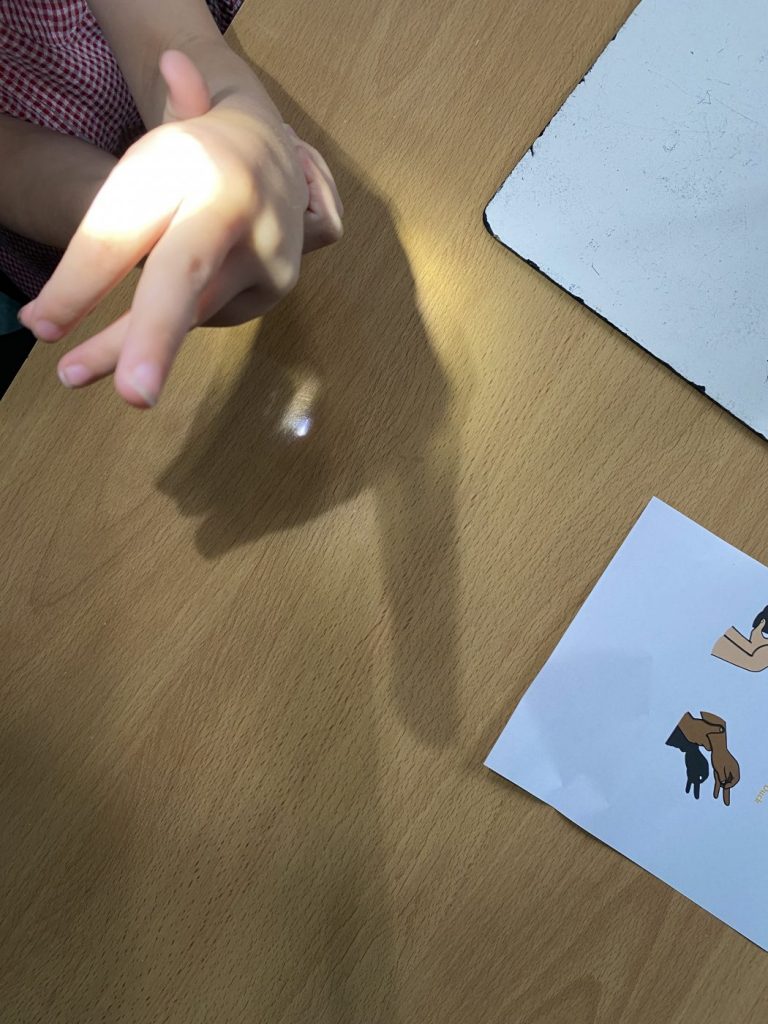
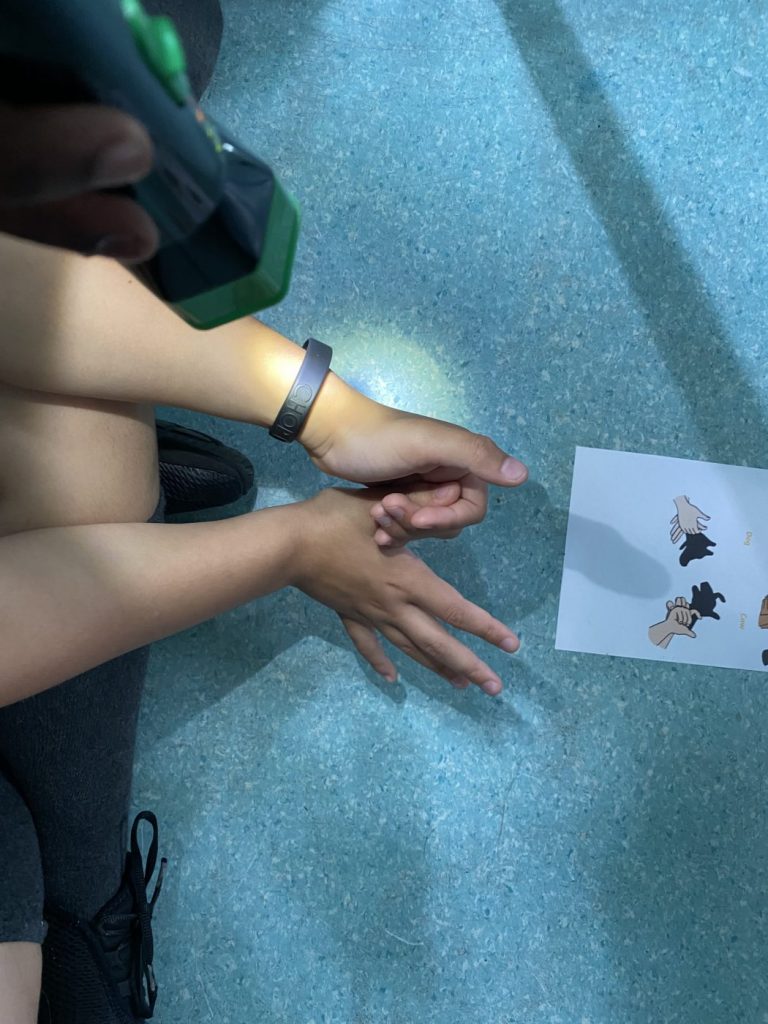
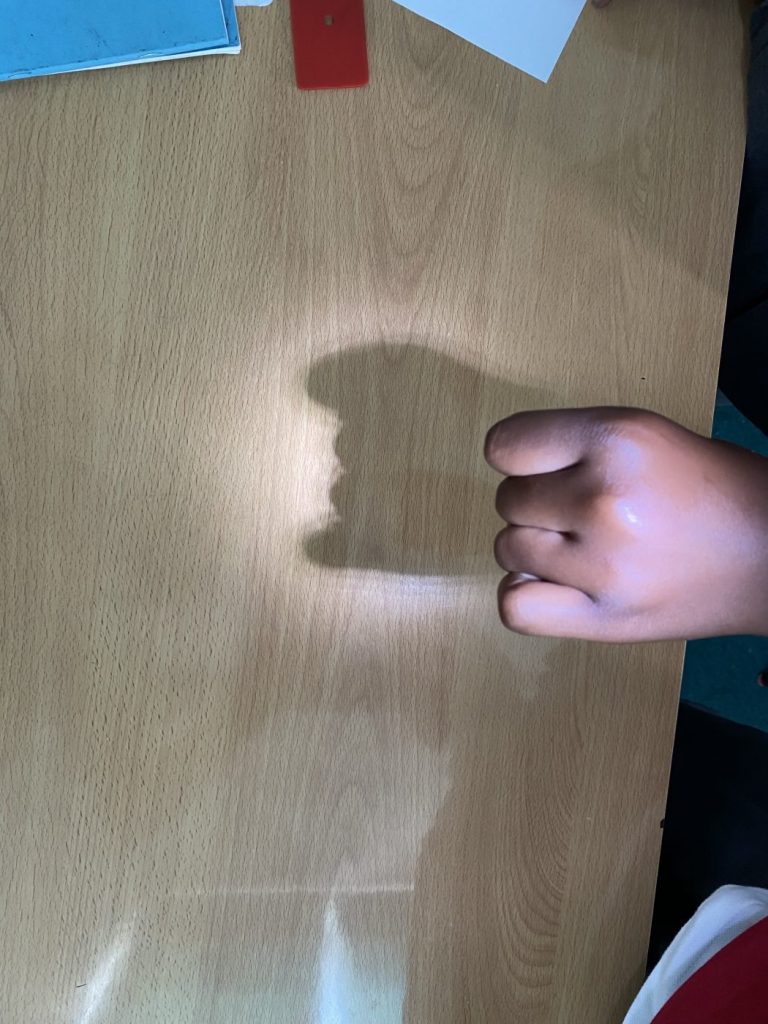
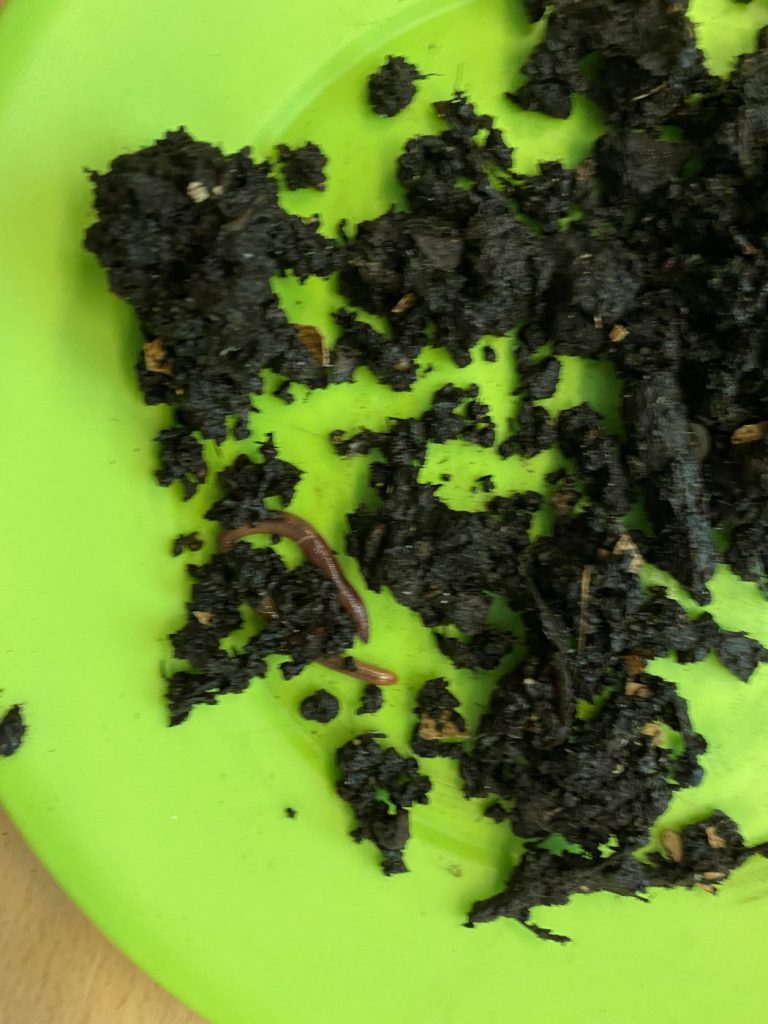
Teachers use carefully sequenced, detailed medium term plans to plan lessons across the unit that will build on and develop the children’s knowledge and skills. Each unit of learning has a strong foundation in new knowledge – linked to prior knowledge – that will support the children to understand increasingly complex scientific phenomena and processes. Children across the school develop practical science skills in their science units throughout the year. They conduct a range of enquires under the categories of: observing phenomena over time, seeking patterns, conducting comparative and fair tests, conducting scientific research and identifying and classifying. Children engage in extended enquiries every half term where they deepen their understanding of scientific concepts and develop their practical scientific skills. Scientific vocabulary is mapped and taught rigorously to ensure that children can both recognise, understand and use scientific terminology accurately and confidently. Each unit is also linked to a scientist who has worked in that field to supports children’s understanding of science as a career.
Impact
The impact of our science curriculum can clearly been seen in the children’s books, on classroom displays and through various online platforms. At the beginning of each unit, a pre-unit assessment clearly identifies what the children already know and identifies any missed learning. Teacher can then use this initial assessment to plan to address any gaps. A detailed knowledge organiser outlines prior knowledge and when this was taught, the main learning objectives for the current unit and when the children will use this knowledge in future. On completion of the unit of work, children complete an end of unit assessment and receive feedback. Class teachers then use the children’s class learning and assessments, along with observations of their skills when carrying out investigations, to make a judgement as to whether each child is working at the expected level and to plan for next steps.
Trips and Visits
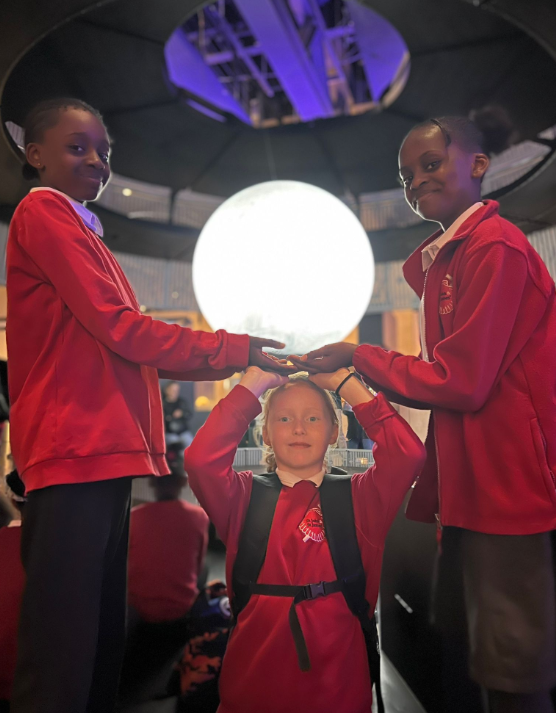
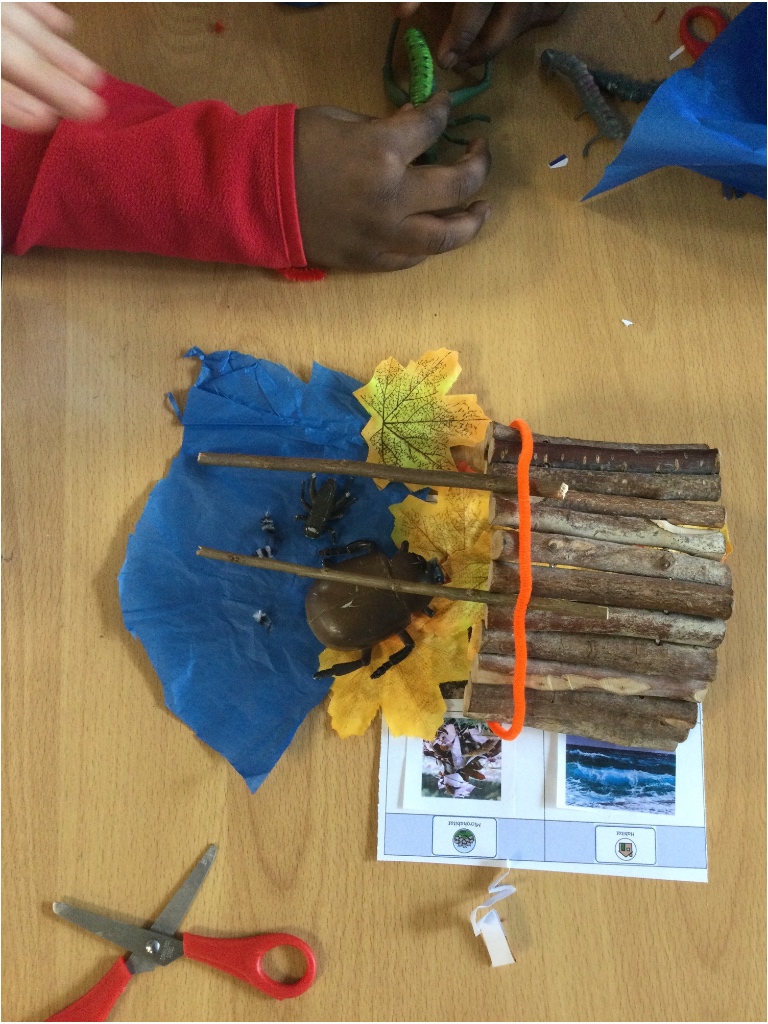
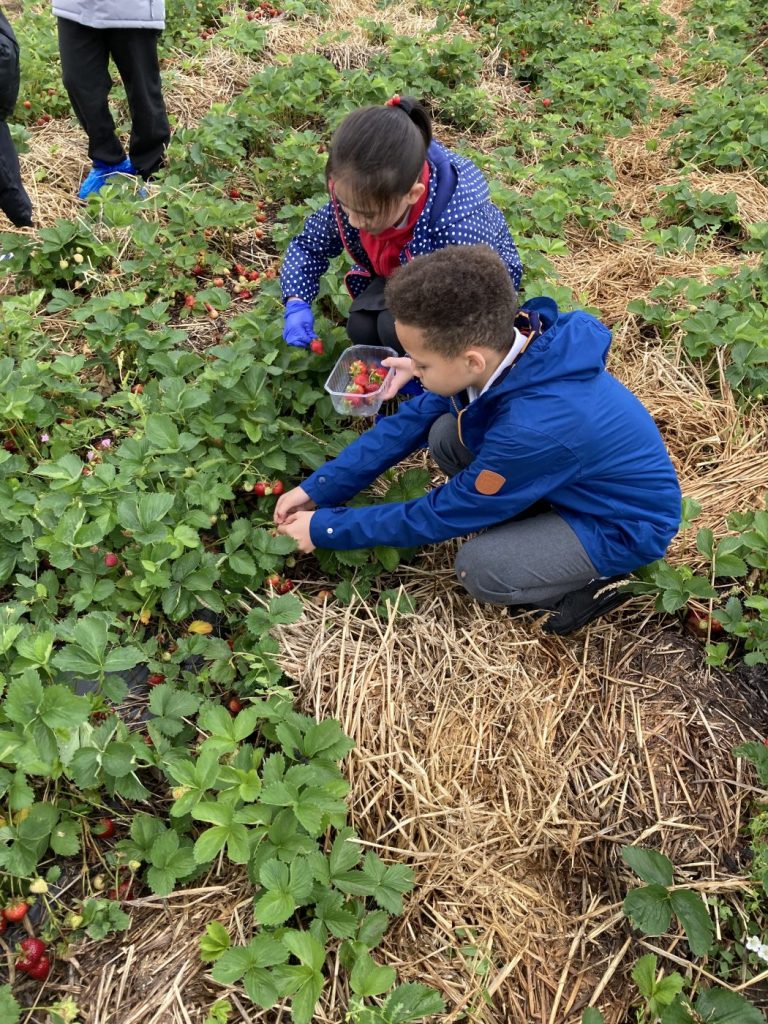
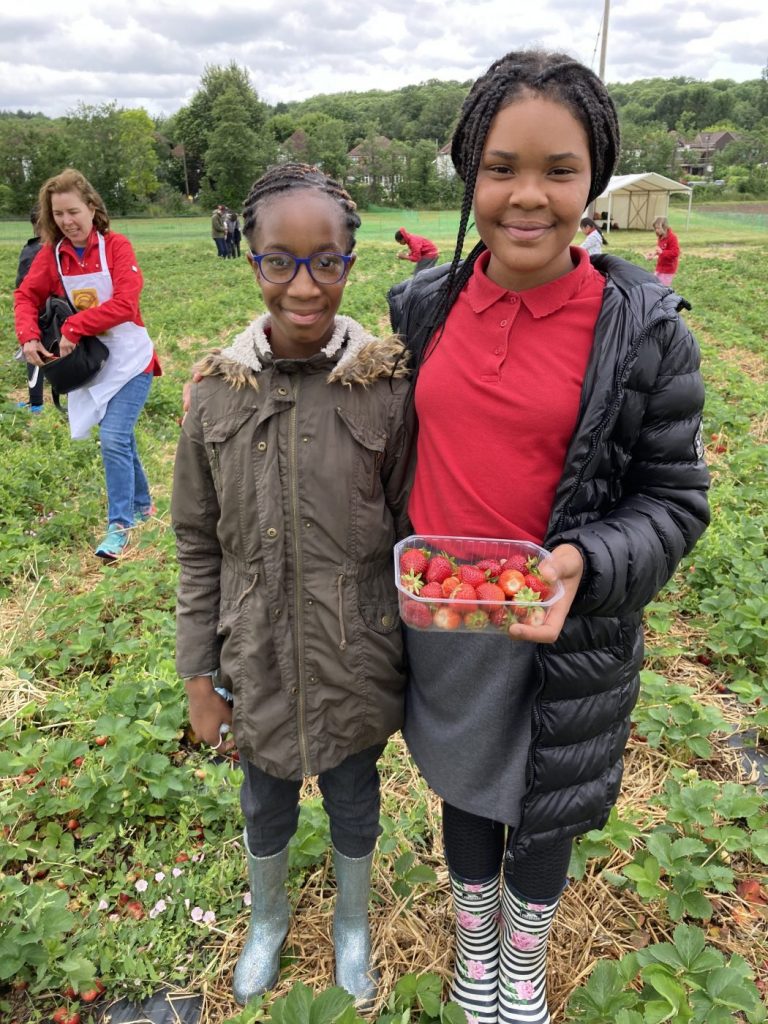
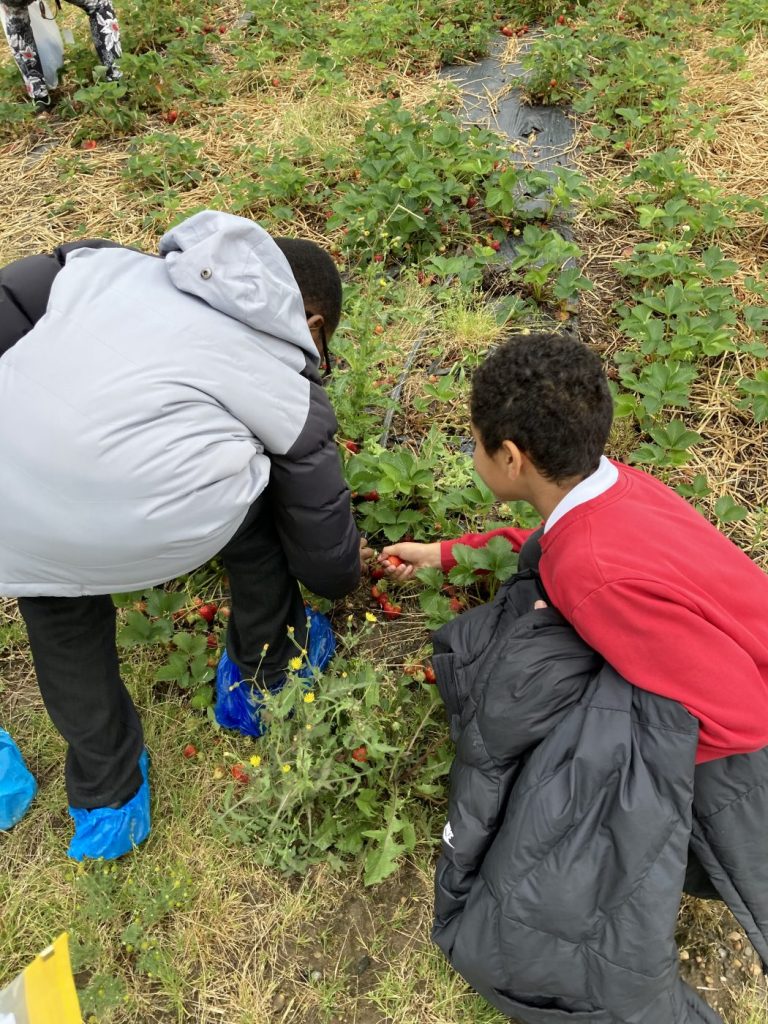
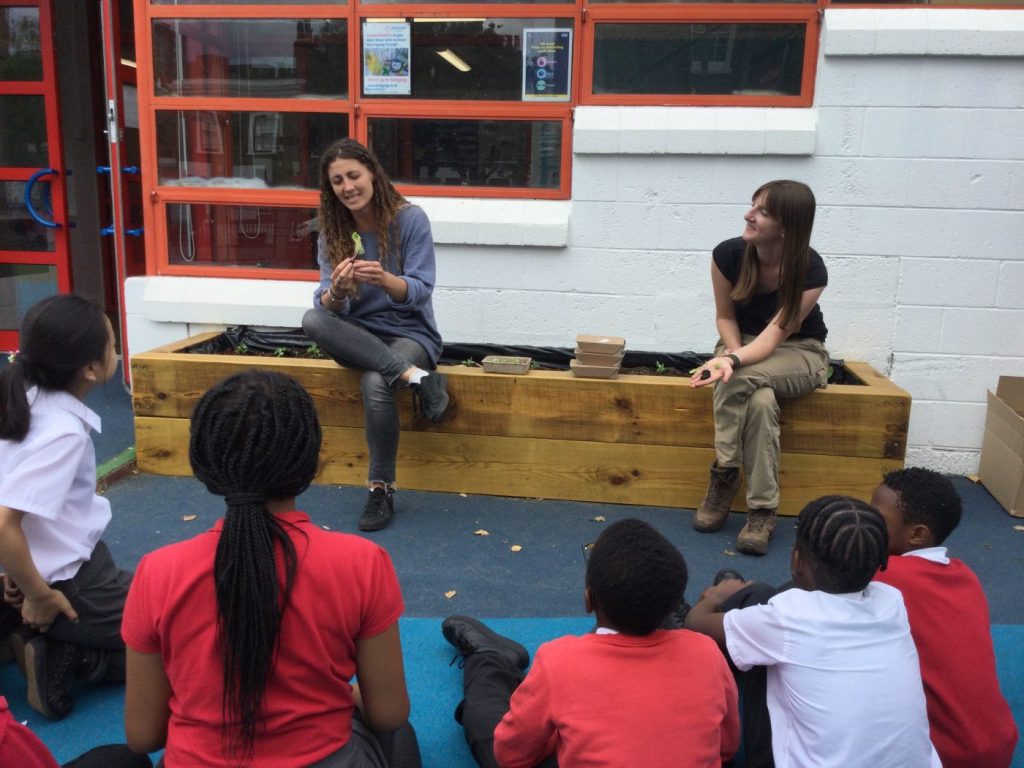
Various school trips are organised throughout the year to promote science learning in the wider curriculum. Examples of trips are visiting Clissold Park to go on a bug hunt, going to Hampstead Heath to investigate habitats and visiting the Science Museum. Science workshops in school are also delivered to further stimulate science learning and curiosity. Every year, we participate in British Science Week, where a variety of practical investigations are carried out. Experts from the STEM industry are regularly invited into school and have a direct impact on the children.
Forest School at St John & St James’
At St John & St James’ C of E Primary School, we are delighted to share that our children are now taking part in termly Forest School sessions, as part of our Science Curriculum.
Forest School is a child-centred and inspirational approach to learning that takes place in the natural environment. It provides opportunities for children to explore, discover and learn through hands-on experiences, while developing curiosity, confidence and care for the world around them. Every session encourages teamwork, reflection and creativity, helping children grow as independent learners and thoughtful members of our community.
Our Forest School lessons reflect our vision: “We learn together, journey together and pray together.” In the forest, children learn together through shared discovery, journey together as they explore God’s creation, and pray together as they reflect on gratitude and respect for the natural world. Each session is guided by our Christian value of love, inspired by the Bible verse “Love your neighbour as yourself” (Matthew 22), reminding us to care for both people and the planet.
Sessions take place in the Springfield Community School Forest Area; a safe and dedicated space for outdoor exploration. Activities are planned using The National Curriculum Outdoors, Forest School Association principles, and our Science Curriculum, ensuring learning is purposeful, inclusive and linked to the National Curriculum and Wellbeing Policy.
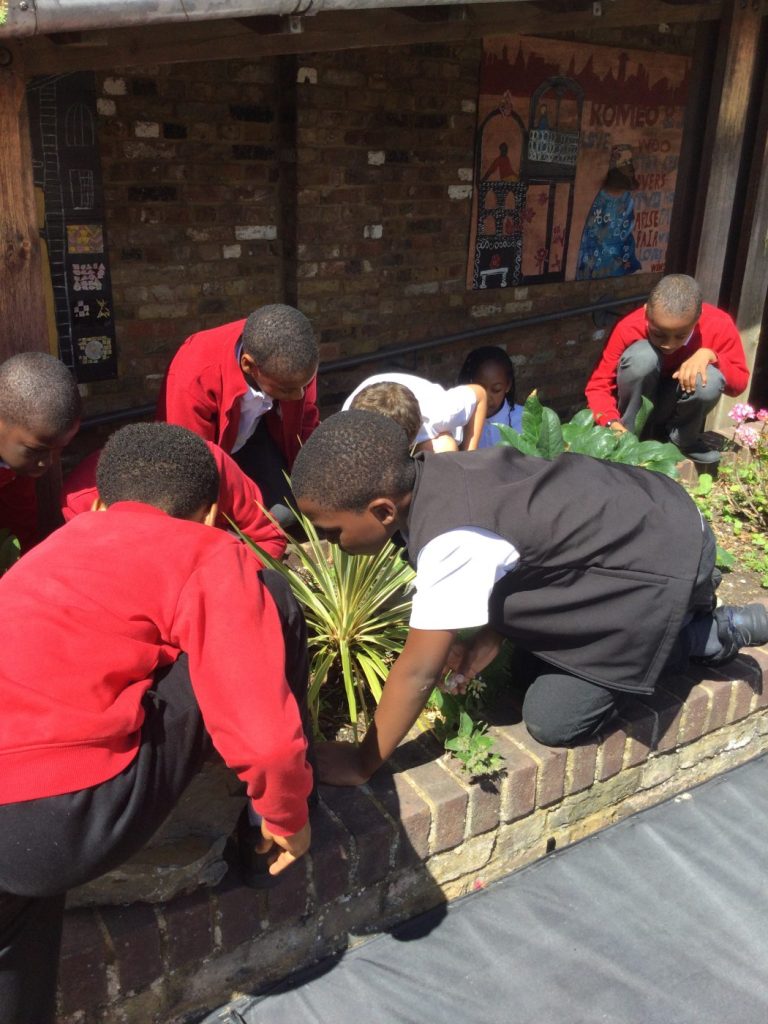
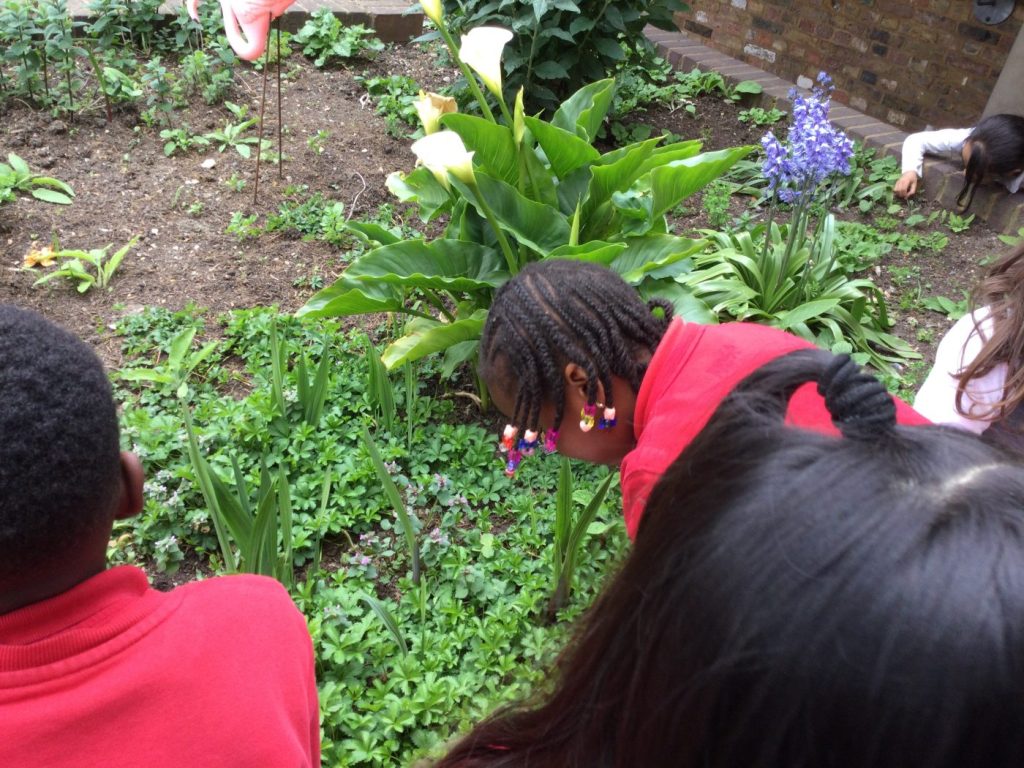
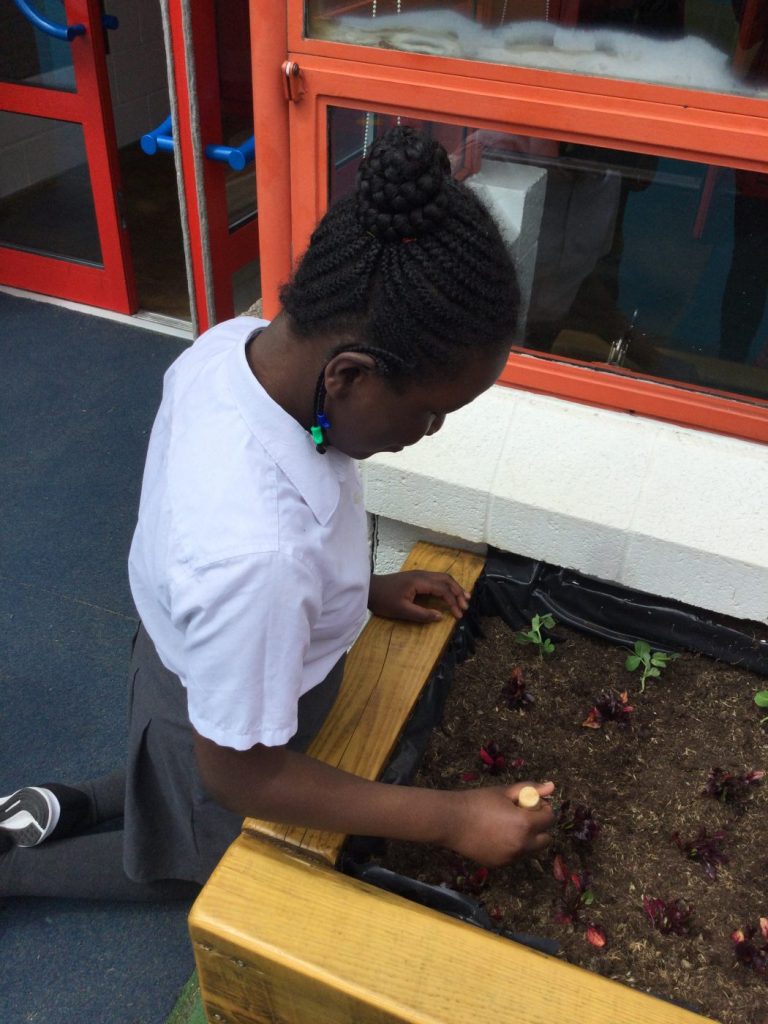
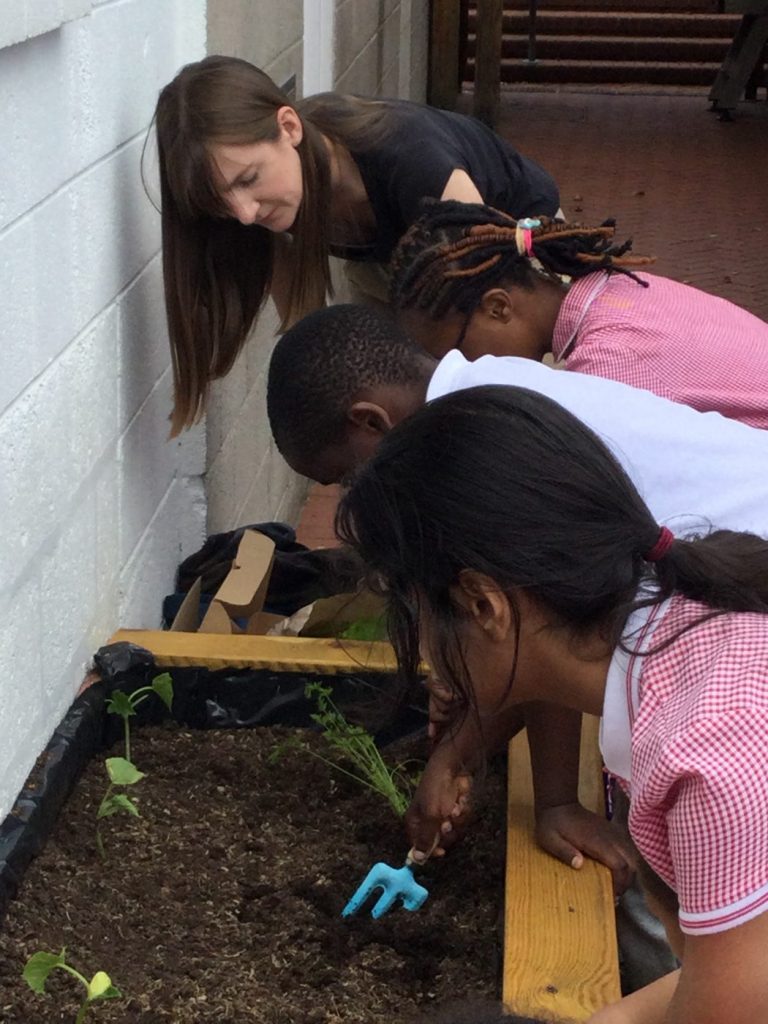
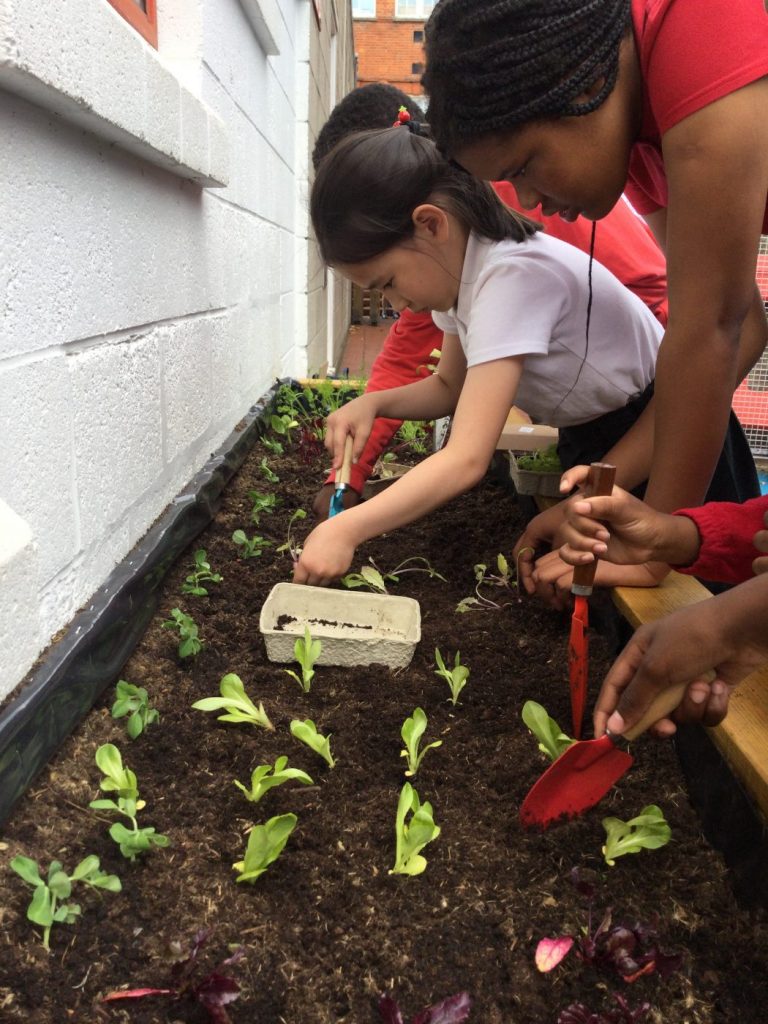
Children from Years 1 to 6 investigate real scientific ideas in nature, such as exploring which objects float or sink, observing how seeds germinate, investigating forces and friction, natural insulators and conductors of electricity and exploring how light reflects off different surfaces.
Each session ends with a calm reflection circle, where children share discoveries, ask questions and are provided with opportunities to thank God for the beauty of creation.